
Table of Contents
An aromantic flag order should begin with an identity check, especially when a catalog uses a shortened or mistranslated product name. The green, light green, white, gray and black design should not be selected merely because its colors fit an event. A school, community organization or distributor needs the intended graphic and a respectful, accurate product description.
This aromantic flag guide addresses the practical work of approving that design for a fabric product. It covers color sequence, format, reproduction, reverse appearance and order identification. Ask the buyer or organization to confirm the chosen variant before production, then keep that decision separate from the factory's material and workmanship checks.
Confirm the aromantic flag identity before quoting
AUREA, the Aromantic-spectrum Union for Recognition, Education, and Advocacy, identifies the widely used aromantic flag as five horizontal stripes in green, light green, white, gray and black. Use that community reference to check the intended graphic. A catalog label such as Romantic Flag can omit a meaningful part of the name, so the buyer should approve the design itself rather than relying only on the listing title.
Keep the original catalog name in the purchasing record for traceability, with the buyer-approved aromantic flag name beside it. This allows the supplier to identify the listed item while preventing an inaccurate label from being repeated on packaging or an event inventory. If a different recognized variant is requested, save that reference explicitly. Do not combine several similar images into an improvised design.
Approve stripe sequence and orientation on a flat proof
Ask for an aromantic flag proof viewed straight on, with the top and hoist marked on a separate technical drawing. Compare the color sequence and stripe arrangement with the selected reference. A folded product image may hide one band or make two shades appear similar. Check the flat drawing before judging fabric appearance, then confirm that the finished sample preserves the accepted layout.
If the buyer plans a different hanging orientation, review it as a distinct display requirement. Rotating the file or moving the attachment after approval can change how people read the design. Ask the responsible organization to approve any adaptation. The aromantic flag factory should receive a clear drawing showing which edge carries the header or sleeve, without technical labels accidentally becoming part of the visible artwork.

Treat the two green fields as separate color decisions
On an aromantic flag sample, compare the green and light green fields individually and together. A supplier's digital mockup may show a clear distinction that is less visible on the chosen fabric or under different lighting. Provide the selected physical or graphic reference and ask which color basis the supplier will use. Inspect the actual proposed material and print process, rather than a sample on another substrate.
Keep gray, white and black in the same review. A transparent fabric can change the apparent brightness of a light field against its background. Compare the complete aromantic flag sample under consistent conditions and note acceptable differences. Retain the accepted reference for repeat orders. A visual color approval establishes an agreed appearance; it does not independently prove colorfastness, a fixed service life or suitability for every outdoor location.
Choose a format that fits the organization's display
Decide whether the aromantic flag will be a wall display, pole flag, temporary event piece or another confirmed format. List the finished dimensions and attachment for each version. A photograph of a flag on a building does not establish that the same construction fits an indoor support. Ask the person responsible for the venue to measure the available space and confirm the intended installation.
Keep decorative location planning separate from the identity of the graphic. A small entrance may need a different size from a large meeting area, while both retain the approved aromantic flag design. Give each construction a variant identifier. If several locations share one order, record their quantities and fitting details rather than forcing the entire program into a single unspecified size.
Compare printed fabric and assembled fields
Ask Kaiqun which production method is proposed for the aromantic flag version being quoted. Printed color fields and a construction assembled from separate fabric pieces can look and feel different. Request the actual material reference, seam arrangement and finishing. Compare complete samples at the same size so that differences in fabric weight or attachments are not mistaken for differences caused only by the production method.
Inspect the joins and the finished widths of visible fields. Sewing allowances should be accounted for in the construction drawing. A neat seam can still alter the layout if too much fabric is folded into the join. The buyer should approve the aromantic flag after finishing, with the sample laid flat and hung as intended. Record the accepted process so it cannot be replaced silently in a later order.
Confirm front and reverse appearance
A single-layer aromantic flag may show the image through the fabric, while a separate two-face construction can use additional layers. Ask the supplier to describe the proposed result and provide photographs of both faces. Do not rely only on a double-sided label. The buyer should understand the actual construction, its transparency and whether the finished faces hang evenly.
View the sample against a bright background and in the venue's usual display conditions. Note whether the visual result meets the organization's brief. If extra layers are proposed, check bulk, drape and fitting as well as appearance. A heavier aromantic flag construction may change packing or installation needs. Confirm the complete product rather than selecting a reverse treatment without reviewing its effect on the rest of the specification.
Inspect fitting and edge finishing separately
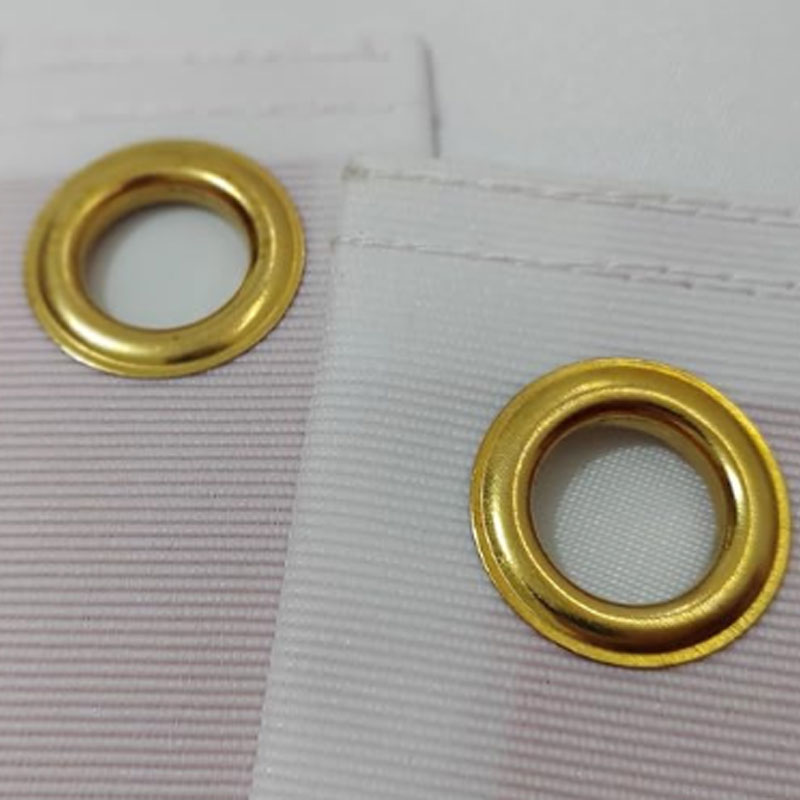
Check the aromantic flag header or sleeve on the actual support where possible. Record usable openings and attachment spacing. Inspect seams, corners and the connection between the attachment area and the main body. Look for distortion, loose threads or a folded allowance that hides part of a color field. A visually correct graphic and a usable attachment are separate acceptance points.
For outdoor use, have the responsible installer assess the support system, flag size and location together. Do not infer a wind rating from the number of stitch rows. Keep access for inspection and removal practical. The aromantic flag sample record should identify which fitting was tried and whether any change was needed. A production drawing should include the accepted adjustment instead of relying on staff to repeat an improvised solution.
Use accurate labels for a mixed identity-flag assortment
A distributor or organization may order the aromantic flag alongside other community-identity designs. Give each design its own reference, name and variant identifier. Similar colors are not sufficient to establish identity. Ask the buyer to review the product-name table as well as the artwork, and keep that table synchronized with the quotation, sample approvals and packing list.
Test whether a folded pack can be identified without opening it. Labels should distinguish the aromantic flag from other designs and show the size or attachment where that matters. Avoid unsupported descriptions of what every buyer or community member prefers. An accurate assortment record preserves the customer's selected design and makes receiving, distribution and later replenishment easier to control.
Keep approval respectful and traceable
Nominate the organization or buyer contact who can approve the aromantic flag graphic. The factory can advise on reproduction and construction, but it should not decide which identity design a group intends to represent. Record requests for changes and have the buyer review the revised proof. Where artwork rights or an organization's permission are relevant, resolve them before release rather than assuming that a downloaded image is commercially unrestricted.
Retain the approved aromantic flag master, sample and construction record. If a future buyer asks for another variant, keep that request separate from the accepted original. Ask Kaiqun to confirm the material, process, quantity, packing and schedule for the new order. A clear record supports accurate descriptions and repeatable production without making claims about official recognition, ownership or endorsement that the supplier has not established.
| Approval point | Unreliable shortcut | Recommended record |
|---|---|---|
| Identity | Catalog name only | Buyer-selected design and community reference |
| Colors | Attractive screen image | Complete material sample under consistent lighting |
| Construction | Printed or sewn label | Actual fabric, joins and finishing confirmed |
| Reverse | One product photograph | Both faces reviewed |
| Assortment | Color-based sorting | Design names and variant identifiers matched |
For the relevant reference, see AUREA FAQ: Aromantic flag. Use it for its stated subject; it is not a certification of the quoted product.
Review aromantic flag product and service information and Kaiqun customization and wholesale services when preparing the specification.
Request a quotation
Request an aromantic flag quotation from Kaiqun with the buyer-approved design, dimensions, attachment, quantities and display context. Ask the team to confirm a material sample and both faces before the final production specification is released. Use the form below to share the requirements.
Frequently asked questions
Why should an aromantic flag buyer check the catalog name?
A listing can contain shortened or mistranslated wording. Confirm the selected graphic and keep an accurate buyer-approved name alongside the original listing for traceability.
Which aromantic flag reference is used in this guide?
The guide links to AUREA's community FAQ. Ask the buyer to confirm the intended version and save that reference with the order.
Can an aromantic flag be ordered for different display formats?
Ask Kaiqun to confirm the available construction for each requirement. Record separate dimensions, attachments and samples where the formats differ.
Does an aromantic flag sample prove outdoor performance?
A visual sample establishes only the aspects examined. Request relevant evidence where measured performance matters and have the installer assess the display system.
How should a mixed flag order be labeled?
Use one approved design name and variant identifier for each item. Match those identifiers across the order, sample record, inner packs and packing list.