
Table of Contents
A United States Army flag inquiry needs a precise design and a clear purchasing purpose before a manufacturer discusses fabric or embroidery. A general catalog image can be useful for identifying an offered item, but it does not establish authorization, official-supplier status or conformity with an institutional procurement specification. Keep those questions visible at the start of the project.
This United States Army flag guide explains how a school or organization can prepare an accurate inquiry and sample review. It addresses reference control, graphic detail, construction, fitting and order records. Confirm the relevant rights and purchasing requirements through the appropriate authority before using official claims or releasing commercial production.
Identify the United States Army flag design being requested
Ask the buyer to provide the exact United States Army flag reference rather than a general phrase such as military flag. An Army organizational flag, a unit design, a national flag and a commemorative promotional graphic can serve different purposes. Save the chosen image and its source with the inquiry. The production team should not decide among similar designs based on whichever online photograph is easiest to reproduce.
State whether the request concerns a decorative educational display or an item governed by an official purchasing specification. Ask the responsible organization to supply any applicable requirements. A United States Army flag product title identifies a listing, while the buyer's confirmed brief defines the intended item. Keep a historical reproduction or a commemorative design under a separate variant so that it cannot be substituted for another requirement during sampling or replenishment.
Resolve authorization before treating a sample as releasable
The Army Trademark Licensing Program is the primary source to consult about Army marks. Do not assume that an image is unrestricted merely because it depicts a government organization or is available online. Ask the buyer and supplier to establish the appropriate authorization basis for the proposed United States Army flag artwork and use. Retain the relevant confirmation with the project rather than relying on an informal assurance.
Keep this decision separate from technical sample approval. A manufacturer may be able to reproduce a graphic accurately while an authorization question remains unresolved. The United States Army flag order should not acquire an official, licensed or endorsed description without supporting evidence applicable to that item and supplier. This guide does not assert that Kaiqun holds an Army license or qualifies as an approved official supplier.

Create a master that protects small emblem details
The United States Army flag sample should be compared with a controlled master at the finished scale. Identify small lettering, outlines, symbols and the parts of the emblem most likely to lose clarity. Ask for an overall proof and a detail view carrying the same revision number. A large image in a sales presentation can conceal the limitations that appear when a detailed emblem is reproduced on a small fabric field.
If the proposed method cannot reproduce an important detail, have the supplier describe the limitation. The buyer should obtain approval for any permissible adaptation rather than allowing the factory to redraw the emblem silently. Keep the United States Army flag master separate from a manufacturing drawing showing allowances and attachments. This lets production details be discussed without confusing them with authorized changes to the graphic.
Compare printing and embroidery without changing the design
Ask which parts of the United States Army flag version will be printed, embroidered or assembled from separate fabric pieces. Inspect a sample using the actual proposed process and material. An unrelated embroidered badge cannot establish the appearance of the complete flag. Compare the smallest lettering, shape edges and the way the decorated area lies against the background.
Evaluate both faces and record the reverse finish the buyer requires. Thread coverage, backing and seams can affect bulk and drape. Compare alternatives at the same finished dimensions so that a difference in material or size is not attributed incorrectly to the process alone. The accepted United States Army flag record should name the chosen construction and observed result, without claiming that one technique automatically establishes authenticity or a universal durability advantage.
Confirm color references and physical appearance
Use the buyer's selected color and design references for the United States Army flag sample. A printed field and embroidered detail can reflect light differently, even when their digital values appear similar. Ask for a complete physical sample and compare it under consistent conditions. Record which reference governs the approval and whether the supplier proposes any material or process alternative.
Retain the accepted sample for receiving and repeat-order comparison. Protect it from dirt and unnecessary exposure so that it remains useful as a reference. A United States Army flag color approval should describe the appearance actually accepted. It should not become an unsupported claim of measured colorfastness or guaranteed service life. Request separate evidence if a defined performance requirement forms part of the buyer's specification.
Keep dimensions, finishing and accessories explicit
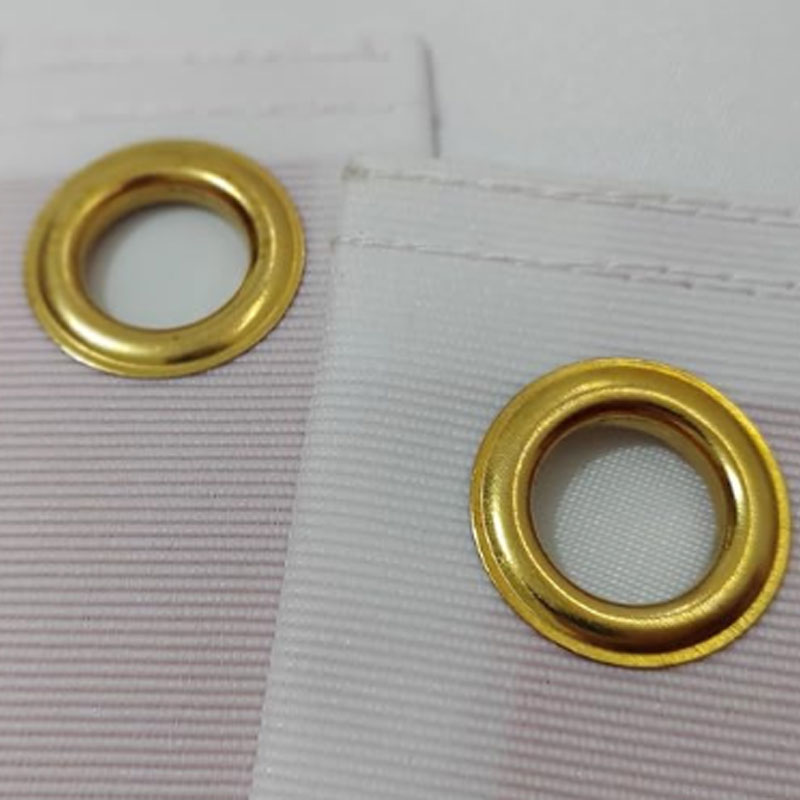
Write the United States Army flag finished height and length with units. Ask the supplier to identify the header or sleeve, seam layout and attachment details. If the project requires additional presentation features or accessories, list them individually and confirm whether they are included. A general product photograph may show components that are absent from the quoted version.
Check the sample against the actual support and the responsible organization's brief. Record the usable sleeve opening or grommet positions, and inspect how the attachment joins the body. If an official specification applies, the appropriate buyer must confirm compliance with that specification. A United States Army flag fitting trial is useful evidence for the support used, but it does not establish approval for every ceremonial, institutional or outdoor application.
Use a documented educational-display plan
For a school display, identify the room or event and the staff member responsible for the United States Army flag installation. Coordinate its dimensions and fitting with the available support. Keep descriptive educational material separate from product-origin and supplier-status claims. The school should approve any interpretive text and ensure that the selected graphic represents the intended subject accurately.
If the item will move between venues, list the different supports and handling arrangements. A United States Army flag that fits one indoor pole may require another construction elsewhere. Plan who receives, installs, removes and stores it. Keeping those tasks explicit prevents a technically acceptable product from being passed between teams without the fitting instructions, approved reference or care guidance needed for its next use.
Inspect the sample in separate approval categories
Build the United States Army flag sample record around identity, authorization status, graphic accuracy, dimensions, material, process, finishing and fitting. Record each outcome separately. A correctly reproduced emblem and an unresolved attachment issue should not be combined into a blanket approval. Use photographs and measurements to explain corrections, with an identifiable sample and artwork revision.
List the person who can release each decision and the evidence still required. If a correction changes the construction or artwork, ask whether another sample is needed. Retain the accepted United States Army flag reference for receiving inspection. A favorable visual review covers only the aspects examined; it cannot supply missing authorization or prove a measured performance property for which no test or supporting record was obtained.
Preserve the confirmed basis through packing and replenishment
Use a stable variant identifier on the United States Army flag order, sample record and packing list. Label each pack with the design and size information needed by receiving staff. If several military or national designs share the shipment, keep their references and quantities distinct. Similar emblems or folded white backgrounds should not be used as a substitute for proper identification.
For repeat purchases, recheck the confirmed design, intended use and supporting requirements before reusing the old file. Ask the supplier to report changes in material, process or source. A United States Army flag replacement should reproduce the accepted specification only where that specification remains appropriate. Keep unverified official claims out of the commercial description and resolve open decisions before treating the project as ready for production.
| Decision | Insufficient evidence | Useful confirmation |
|---|---|---|
| Design | Military flag search image | Exact buyer-selected master and source |
| Authorization | Graphic available online | Appropriate authority confirmation for the proposed use |
| Process | Generic embroidered badge | Complete sample using the proposed construction |
| Fitting | Pole mentioned in title | Dimensions and attachment checked on the intended support |
| Release | Sample looks attractive | Separate decisions closed with a traceable record |
For the relevant reference, see United States Army Trademark Licensing Program. Use it for its stated subject; it is not a certification of the quoted product.
Review united states army flag product and service information and Kaiqun customization and wholesale services when preparing the specification.
Request a quotation
Send Kaiqun the United States Army flag design reference, intended display, dimensions and construction questions for a technical inquiry. Establish the applicable authorization and purchasing requirements before release, and ask for the sample evidence needed to assess the confirmed specification.
Frequently asked questions
What should a United States Army flag inquiry include?
Provide the exact design reference, intended use, dimensions, construction, attachment, quantity and destination. Identify the approval and authorization questions that must be resolved.
Does a United States Army flag catalog listing prove a supplier is official?
No official, licensed or endorsed status should be inferred from a listing. Ask for evidence applicable to the proposed item and supplier, and consult the appropriate authority.
Can an attractive United States Army flag sample be released immediately?
Only after the buyer has resolved the relevant design, construction, fitting and authorization decisions. Keep technical appearance approval separate from unresolved project requirements.
What helps compare printed and embroidered options?
Use the same master, finished size and proposed materials. Inspect fine detail, reverse finish and drape, then record the construction the buyer accepts.
Where should buyers begin questions about Army marks?
Consult the Army Trademark Licensing Program. Retain the appropriate confirmation with the project and avoid inferring permission from an image found online.