
Sommario
Hotel flag artwork sits between central brand control and local property operations. A brand team can approve a logo without knowing the entrance pole, while property staff can measure a sleeve without having authority to alter the identity. A custom flag purchase becomes more reliable when the buyer connects those approvals before asking a manufacturer to reproduce the design.
This guide is for hotel purchasing teams preparing entrance, meeting-area or event variants. It concentrates on a current graphic master, physical appearance, fitting and the handover to property staff. The sample workflow is illustrative and does not describe a completed customer project. Material, process, quantities and delivery conditions for a custom flag need written supplier confirmation rather than assumptions taken from a general service page.
Obtain the current hotel identity package
Ask the relevant brand owner for the approved master and the rules that apply to the proposed textile use. A logo downloaded from a website may be compressed, outdated or unsuitable for the requested size. The manufacturer should identify missing fonts, linked graphics or detail that needs adaptation. The custom flag package should make the accepted file and revision unambiguous.
If a property operates under a wider brand, confirm which decisions it can make locally. A factory should not interpret a property manager's preference as permission to redraw a central identity. Keep the graphic release separate from purchasing approval and fitting confirmation. Name one contact who consolidates those decisions into a complete custom flag instruction rather than passing conflicting messages to production.
Separate entrance identity from meeting and event layouts
An entrance display and an indoor meeting-area piece may share a logo while requiring different proportions, viewing faces and graphic scale. A dated conference layout can also become obsolete before the textile wears out. List these uses as separate custom flag variants when their requirements differ. The item name should identify the actual layout, not only the hotel brand.
Keep permanent identity and temporary event content in distinct folders and stock records. If a conference sponsor or year changes, issue a revised complete layout and identify the affected variants. Deleting a line from an old file can change the balance and spacing, so review the result. The custom flag master should describe the design that was accepted for this order rather than a collection of separate logo attachments.
Review logo scale from the guest's approach
Map the positions from which guests see the display and identify the main recognition task. A distant entrance logo and a close indoor emblem have different detail demands. Create a physical layout at the proposed scale or use a documented mockup, then examine the important wordmark or symbol from the relevant position. A custom flag preview enlarged on a designer's screen does not establish visibility at the property.
If small text or fine lines fail, ask the brand owner to choose an authorized remedy. A larger mark, different finished size or approved small-format identity may be available. The supplier should not remove a descriptor or redraw a symbol silently. Keep the accepted custom flag adaptation identifiable and specify which sizes its detail review represents.
Assess brand color on the proposed fabric
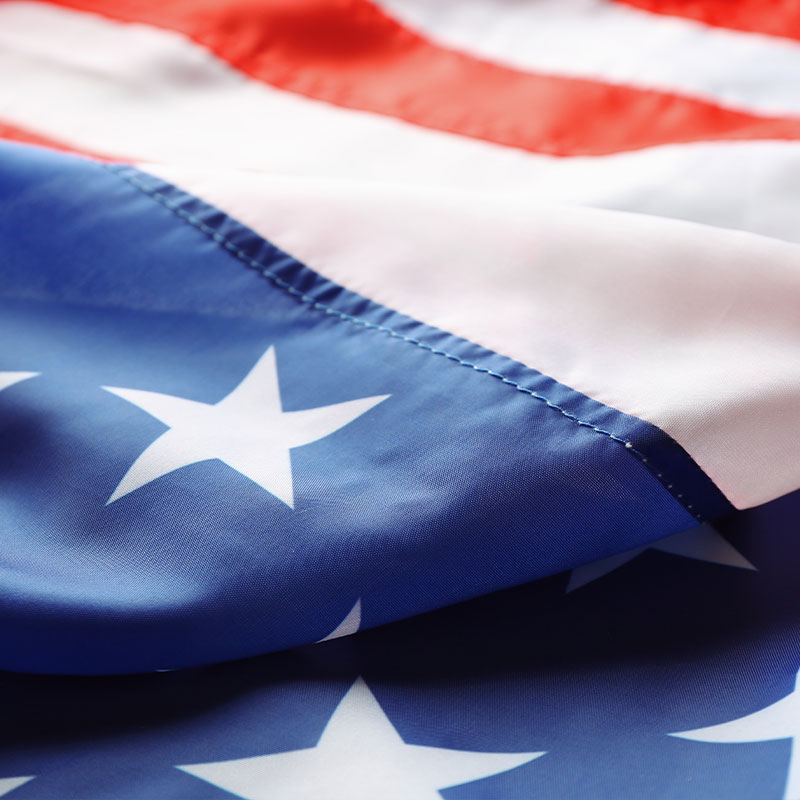
A hotel's identity can appear on metal signs, printed literature, uniforms and digital displays, each with different physical characteristics. Select the reference the brand owner wants used for the textile comparison. Ask for a sample on the intended material and process and review it under consistent lighting. The custom flag approval should document what was compared rather than promise that every surface will look identical.
If the order uses multiple layers or a separately readable reverse, assess the complete assembly as well as the face sample. Backing and transmitted light can affect appearance. Agree any measurement or tolerance requirement with the supplier instead of inventing one from a screen image. Retain the accepted custom flag trial with its material and process reference so later properties can understand the decision.
Connect the visible graphic to the attachment drawing
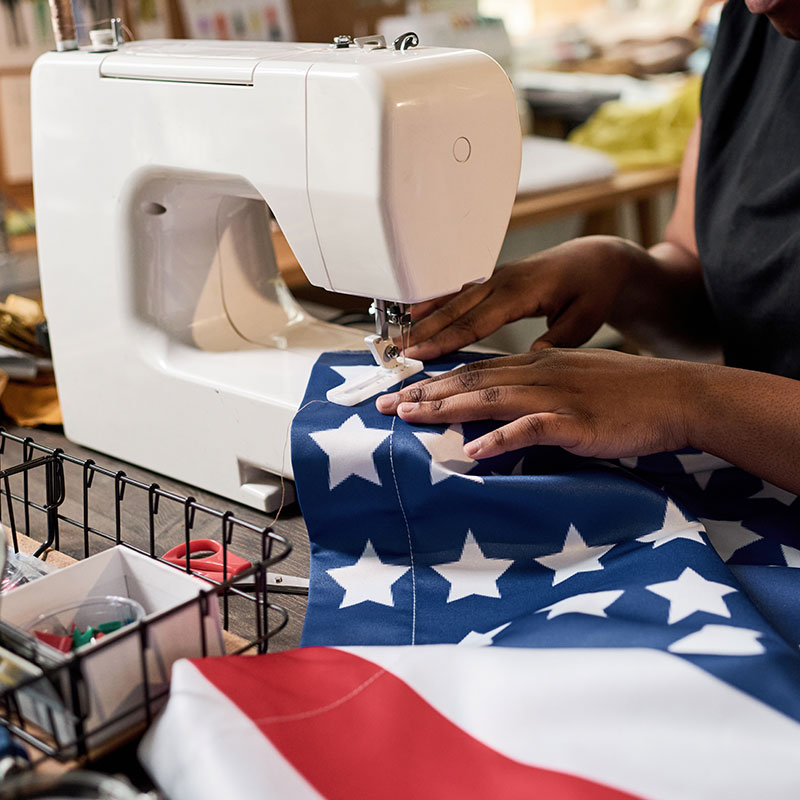
Ask engineering or the responsible installer to provide the actual pole or support measurements. Show sleeve, header, hems and reinforcement on a drawing linked to the graphic revision. Mark the visible field and overall finished size separately where appropriate. A custom flag can lose a wordmark or border if finishing allowances are added after layout approval without another review.
Have property staff fit a representative sample and confirm orientation and access for installation and removal. Record the support and location used. A common hotel identity does not establish common fittings across properties. The support system's suitability belongs with the appropriate responsible person; a correct custom flag sample does not create an unstated rating for an existing pole or bracket.
Approve each required viewing face
A hotel entrance piece may be visible from the road and from the building, while a meeting-room display may sit against a wall. State whether a mirrored reverse is acceptable or whether two separately readable faces are needed. Ask for front-and-reverse proofs with top and attachment edge identified. A custom flag labeled double sided still needs a defined visual result and construction.
Inspect the complete sample under relevant lighting, including near bright glazing where that resembles the intended use. Record whether show-through is acceptable and which assembly was examined. If the supplier changes a layer after approval, assess the affected appearance again. The custom flag face decision should remain connected to the quoted material and finishing rather than exist only in a design comment.
Use property codes in a multi-hotel release
For a group purchase, connect every design-size-fitting combination to the properties that need it. Ask each property to confirm the local fields before consolidating quantity. Marketing can release a common master while engineering confirms different interfaces. The custom flag register should preserve that distinction instead of forcing every location into one convenient but incomplete order line.
Provide the supplier with the agreed destination allocation and packing labels before dispatch. Receiving teams should identify property, item code, quantity and any accessories without opening every package. Keep the current graphic revision visible in stock records. This prevents a dated meeting layout or an older brand version from being issued as the permanent custom flag for an entrance.
Make the approval record useful to operations
Retain the master, sample identifier, material, process, dimensions, face arrangement and fitting reference with the order. Give engineering, housekeeping and conference staff access to the information relevant to their tasks. A purchasing file is not an operational handover if the people changing the custom flag cannot find its care guidance or identify the correct replacement variant.
After use, log specific appearance, fitting or packing issues with the item code and photographs. Confirm the complete product's care instructions through the supplier. A later custom flag reorder should use actual replacement needs and current brand approval, not only a previous invoice. If the property changes its supports or identity, revisit the affected parts of the package before production.
| Hotel decision | Responsible confirmation | Useful reference |
|---|---|---|
| Current identity | Brand owner | Released complete master |
| Entrance fitting | Property engineering or installer | Support measurements and trial |
| Physical appearance | Design approver with supplier evidence | Material-and-process sample |
| Group allocation | Purchasing and individual properties | Variant codes and destination packs |
Per il relativo riferimento, cfr Guida GINETEX sulle informazioni sulla cura per articoli tessili completi. Utilizzarlo per l'oggetto dichiarato; non è una certificazione del prodotto citato.
Revisione informazioni personalizzate sul prodotto e sul servizio della bandiera e Personalizzazione e servizi all'ingrosso Kaiqun quando si prepara la specifica.
Richiedi un preventivo
Ask Kaiqun to quote your hotel custom flag variants using the current master, property quantities, finished dimensions and fitting references. Include destination allocations, viewing requirements and receiving dates. Identify the brand approval contact and request a confirmed material, process, sample and packing plan before releasing the custom flag order.
Domande frequenti
Who should approve hotel custom flag artwork?
The authorized brand owner should release the graphic, while the property confirms its fitting and operations. Consolidate those decisions into one custom flag production package.
Can one logo file cover every hotel display?
It may be a common master, but different sizes or layouts can need separate proofs. Identify the custom flag variants and the detail evidence that represents each one.
How should brand color be approved?
Compare a relevant physical trial with the selected reference under documented conditions. Keep the custom flag material, process and complete assembly linked to the decision.
Does a common brand mean every property uses the same fitting?
No fitting should be assumed from identity alone. Each property should confirm the dimensions and support interface relevant to its custom flag variant.
What should remain available to hotel operations?
Keep the accepted variant, setup reference and confirmed care guidance accessible. A custom flag replacement should be identifiable without reconstructing the original purchasing messages.